
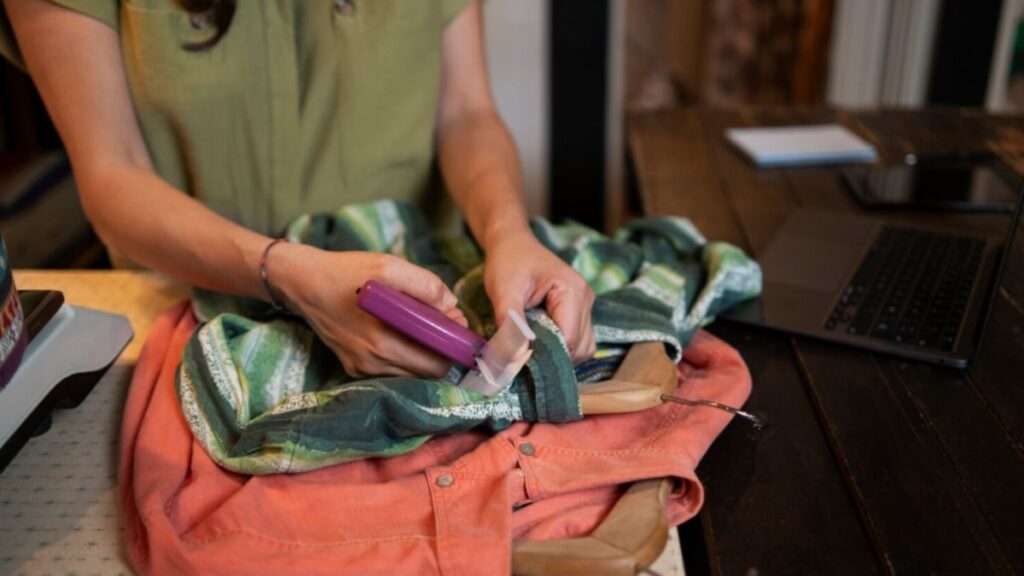
Step into the vibrant world of Bagru textiles, where every thread tells a story steeped in tradition and sustainability. Nestled in the heart of Rajasthan, this unique craft combines age-old techniques with eco-friendly practices, creating stunning fabrics that not only adorn our lives but also respect our planet. From intricate block prints to natural dyes, Bagru textiles are more than just materials; they represent a movement toward mindful fashion. Join us as we explore their rich history, traditional craftsmanship, and the significant impact they’re making on sustainable living today.
The History of Bagru Textiles
Bagru textiles have roots that stretch back centuries. This traditional craft emerged in the 17th century, during a time when artisans meticulously honed their skills in block printing. The village of Bagru became synonymous with vibrant fabrics, as skilled craftspeople passed down techniques through generations.
Initially, these textiles were made for royal families and adorned palaces. As demand grew, local artisans began to innovate, using natural dyes sourced from plants and minerals. This commitment to eco-friendly materials laid the foundation for what would become a hallmark of Bagru craftsmanship.
The region’s rich cultural heritage is etched into each fabric produced. Patterns often reflect stories of nature or folklore, making every piece unique. Today, this history continues to inspire new designs while maintaining a strong connection to tradition and community values inherent in Bagru textiles.
Traditional Techniques and Material Used
Bagru textiles are renowned for their distinctive hand-block printing technique. Artisans use carved wooden blocks to imprint intricate designs onto fabric, a practice passed down through generations.
The natural dyes used in Bagru production are derived from plants and minerals. These eco-friendly colors not only enhance the aesthetic but also ensure that the process remains sustainable. The vibrant hues evoke a sense of tradition and connection to nature.
Cotton is the primary material employed in these textiles, chosen for its breathability and comfort. Local farmers grow this cotton using organic methods, further minimizing environmental impact.
Each piece tells a story; every print reflects cultural heritage intertwined with craftsmanship. This dedication to traditional methods creates unique products that stand apart in today’s fast-fashion world.
Artisans often work under fair trade conditions, preserving both their livelihood and artistry while contributing positively to their communities.
Environmental Impact of Conventional Textile Production
Conventional textile production is a significant contributor to environmental degradation. The process often involves toxic dyes and chemicals that pollute waterways, harming aquatic life.
Water consumption is another pressing concern. It takes thousands of liters just to produce a single cotton t-shirt. This massive usage depletes local sources, affecting communities reliant on this vital resource.
Additionally, the carbon footprint of traditional textile manufacturing is staggering. Factories emit large amounts of greenhouse gases, worsening global warming and climate change.
Landfills are overflowing with discarded clothing from fast fashion cycles. Many textiles take years to decompose, releasing harmful substances into the soil as they break down.
The quest for cheap labor often leads manufacturers to exploit workers in developing countries. Poor working conditions not only affect human lives but also contribute to unsustainable practices in the industry overall.
How Bagru Textiles is Changing the Game
Bagru textiles are redefining the landscape of sustainable fashion. By combining traditional craftsmanship with eco-friendly practices, these fabrics tell a story that resonates with conscious consumers.
Artisans in Bagru use natural dyes derived from plants and minerals, ensuring vibrant colors without harmful chemicals. This approach not only preserves age-old techniques but also promotes biodiversity by using resources sustainably.
The innovative block-printing method employed in Bagru allows for intricate designs while minimizing waste. Each piece is unique, reflecting the skill and creativity of its maker.
Moreover, local artisans benefit economically as their work gains recognition globally. This empowers communities and fosters a deeper connection between producers and consumers.
As more people seek ethical alternatives to mass-produced clothing, Bagru textiles emerge as a beacon of hope in the industry, blending tradition with modern values seamlessly.
Benefits of Choosing Bagru Textiles
Choosing Bagru textiles means embracing a blend of culture and craftsmanship. Each piece tells a story, reflecting the rich heritage of Indian printing techniques.
These fabrics are not just beautiful; they are made using natural dyes, reducing harmful chemical usage. This commitment to eco-friendliness makes them a great choice for conscious consumers.
Durability is another significant benefit. Bagru textiles withstand the test of time, ensuring that your investment lasts longer than fast fashion alternatives.
Moreover, wearing or using Bagru textiles supports local artisans who rely on traditional skills passed down through generations. By choosing these fabrics, you contribute to preserving cultural identity and promoting fair trade practices.
The versatility of Bagru designs adds to their appeal. Whether used for home decor or clothing, they can effortlessly elevate any space or outfit while maintaining an authentic touch.
Supporting Sustainable Fashion
Supporting sustainable fashion goes beyond mere consumption choices. It invites a shift in mindset toward mindful living and appreciation for craftsmanship.
When you choose Bagru textiles, you’re not just purchasing fabric; you’re investing in a heritage of eco-friendly practices. Each piece tells a story woven with the threads of tradition and respect for nature.
By opting for handmade items, you support local artisans whose skills have been passed down through generations. This connection fosters community growth while preserving cultural identity.
Moreover, every purchase contributes to reducing waste associated with fast fashion. Embracing sustainability means prioritizing quality over quantity, leading to longer-lasting wardrobe staples that resonate with your values.
Choosing Bagru is about more than aesthetics; it’s an active step towards a more ethical future in fashion. With each bag or garment adorned with these unique prints, you’re making an impactful statement against environmental degradation and social injustice.
Conclusion
The vibrant world of Bagru textiles showcases the perfect blend of tradition and sustainability. With roots deeply embedded in history, these fabrics tell stories not just through their patterns but also through their eco-friendly journey from foot to fabric. The traditional techniques used in producing Bagru textiles honor the craftsmanship passed down through generations while minimizing environmental impacts.
As consumers become more aware of the consequences of conventional textile production, Bagru stands out as a beacon for change. By opting for these eco-conscious products, individuals can make a significant difference in supporting sustainable fashion initiatives.
Choosing Bagru is about more than just style; it’s an investment in our planet’s future. Each piece embodies responsible artistry that respects both cultural heritage and nature’s resources. Embracing this unique form of textile means championing practices that ensure our environment remains vibrant for years to come.
By incorporating Bagru into your wardrobe or home décor, you’re not only adding beauty but also participating in a movement towards conscious consumption and ethical fashion choices. This commitment fosters a deeper connection between artisans and consumers—an essential step toward creating a more sustainable world together.