
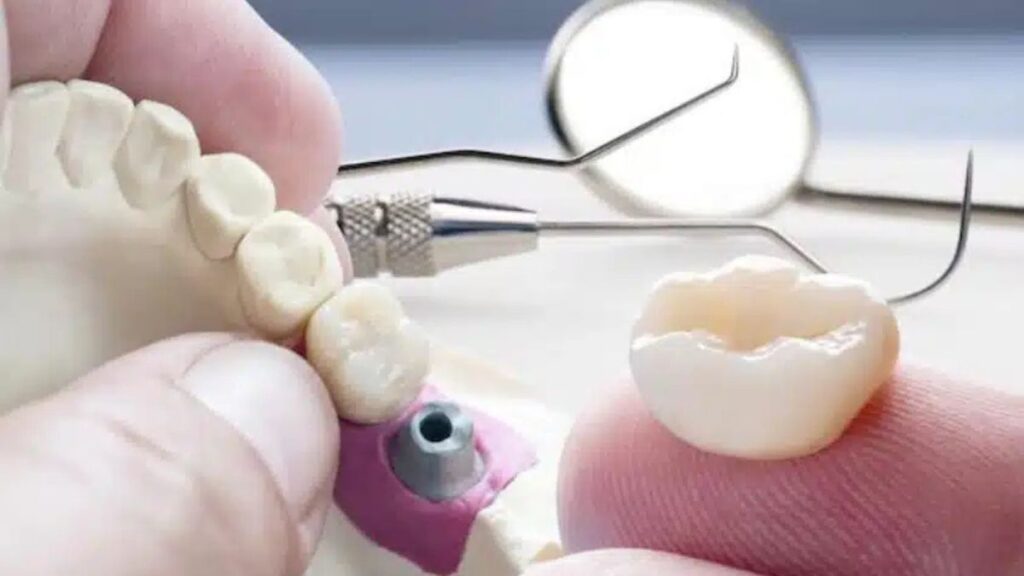
Maintaining good oral health is fundamental to a family’s overall well-being. Yet, finding comprehensive dental care that fits within the family budget can be a challenge. From preventive checkups to unexpected dental emergencies, many are seeking solutions to contain costs and access quality services. Exploring affordable dental insurance plans is often the first step for families determined to take control of their dental expenses and stay healthy.
Financial barriers frequently deter families from routine dental visits, which can lead to more costly problems later. Fortunately, by understanding the vast network of programs, clinics, and preventive initiatives available, families can often find high-quality, affordable care. From public programs to community grants, knowing your resources goes a long way toward securing the dental care your family needs.
Oral health is closely linked to overall health. Poor dental hygiene can contribute to serious health conditions, such as heart disease, diabetes, and respiratory infections, particularly in children and older adults. Emphasizing preventive care and early intervention is crucial in reducing these risks and keeping long-term healthcare costs in check.
However, many families still struggle with access. According to the Centers for Disease Control and Prevention, nearly one in five children aged 5 to 19 years has untreated dental caries, and adults from lower-income households are significantly more likely to forego dental care due to cost. These disparities underscore the importance of seeking out affordable options and community resources for proper dental health.
Understanding the Importance of Dental Health
Oral health not only affects how we eat and speak but is also closely associated with our overall physical health. Poor dental hygiene can lead to gum disease, tooth loss, and chronic infections that may cause or exacerbate other medical conditions. Regular checkups and cleanings play a central role in prevention by catching issues early, offering education about proper oral hygiene, and helping to avoid more extensive procedures down the line.
Challenges in Accessing Affordable Dental Care
Families with lower incomes encounter substantial hurdles in obtaining dental care. Out-of-pocket expenses can be prohibitively high, especially for procedures not covered by insurance or public programs. The CareQuest Institute for Oral Health found that lower-income households often spend several times as much of their income on dental care as those in higher-income brackets. Furthermore, a shortage of providers who accept Medicaid or low reimbursement rates often limits access, even for those who qualify for assistance.
Government Initiatives and Programs
Publicly funded initiatives are in place to help families access dental care. Many states’ Medicaid programs include dental coverage for children and, increasingly, for adults, though the specifics vary by state. Programs like the Children’s Health Insurance Program (CHIP) also offer essential dental benefits for eligible children. Nevertheless, families may still face limitations such as provider shortages and coverage gaps under these plans. Detailed program information can often be found on state health department websites and on the U.S. Department of Health & Human Services website.
Community-Based Solutions
Nonprofit clinics and community organizations offer crucial support. The American Academy of Pediatric Dentistry Foundation, for example, provides significant funding for free dental clinics serving children from underserved families. Local community health centers, faith-based initiatives, and mobile dental clinics are accessible in many areas, bridging service gaps for those without insurance or enough resources to pay out of pocket.
Free and Low-Cost Dental Clinics
Free and sliding-scale dental clinics function as an essential safeguard for families who might otherwise go without care. Special programs such as the Minnesota Dental Association’s “Give Kids a Smile” offer routine checkups, cleanings, and basic fillings at no charge during designated events. These clinics often address urgent needs, but families should arrive early and check eligibility requirements in advance, as demand can be high.
Preventive Care and Education
It is well established that preventive dental care produces substantial long-term savings and health benefits. Community initiatives like the “Fluoride for Families” program in St. Petersburg focus on delivering preventive services, such as fluoride varnish applications, to at-risk children. Educating families about daily oral hygiene practices, regular brushing, and limiting sugar intake also helps to prevent dental problems before they start.
Utilizing Dental Schools
Dental schools offer a cost-effective solution for families seeking routine dental care, such as exams and cleanings, as students provide treatments under the supervision of licensed instructors at significantly lower rates than private practices. This approach not only offers practical education for future dentists but also allows families to access high-quality services without the expenses associated with traditional dental offices. Dental schools typically provide a broad range of services, from basic cleanings to complex restorative work, making them suitable for comprehensive family care on a budget. Families are advised to contact local dental teaching institutions for information on availability, pricing, and eligibility, as these facilities are equipped with advanced technology and adhere to strict patient care standards, thereby ensuring safety and quality.
In addition to dental schools, families can benefit from dental discount plans, which offer reduced rates on a variety of procedures at participating providers without the limitations of waiting periods or annual spending caps typical of dental insurance. Enrolling in a discount dental program can help families manage both routine and unexpected dental expenses. Numerous organizations and online resources help compare and select the most suitable discount plan, further aiding budget management for dental care.
Conclusion
Making affordable dental care accessible requires a combination of personal initiative and awareness of available resources. By enrolling in appropriate insurance plans, leveraging government initiatives, seeking out free or low-cost clinics, and prioritizing preventive care, families can ensure that everyone maintains a healthy smile without incurring overwhelming expenses. With a proactive approach and informed decision-making, affordable family dental care is entirely within reach.
Ultimately, regular dental visits, education on oral hygiene, and an understanding of community resources form the backbone of long-term oral health for families. Even when budgets are tight, a strategic approach employing local clinics, dental schools, and public programs can yield results. By openly discussing needs with providers, asking about payment flexibility, and utilizing educational resources, families are empowered to keep dental health a priority. Over time, these efforts promote not only brighter smiles but lasting wellness for every family member.