
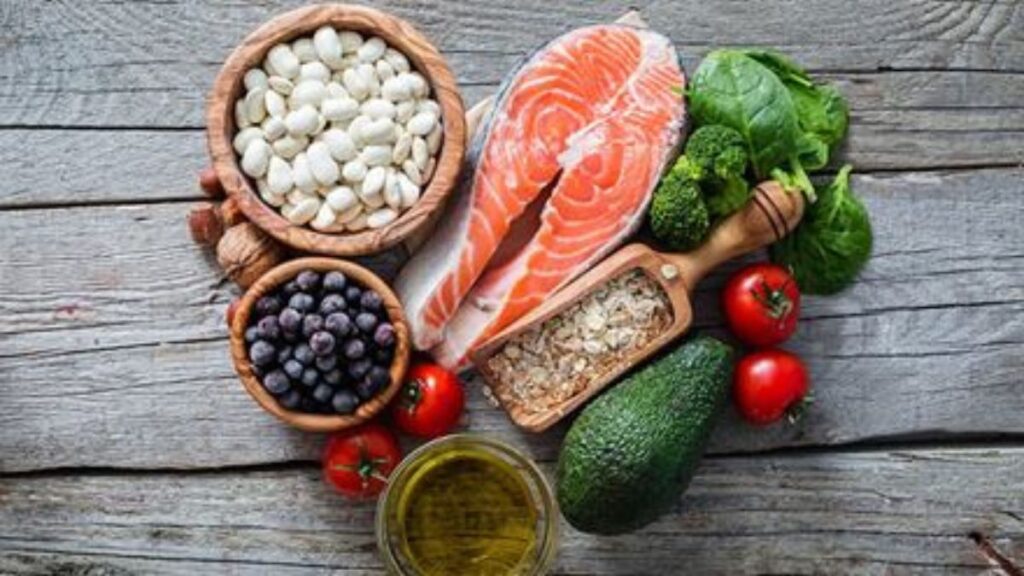
For many people, the phrase “healthy eating” immediately conjures up images of bland salads, boiled chicken breasts, and unseasoned steamed vegetables. It is a common misconception that in order to nourish your body, you must endure a monotonous and flavorless diet. However, prioritizing your physical health does not mean you have to abandon your culinary enjoyment. In fact, research indicates that dietary changes are much more sustainable when the food is genuinely enjoyable. If you want to build long-term nutritional habits, learning how to make healthy food taste incredible is an essential skill.
According to the Centers for Disease Control and Prevention (CDC), fewer than one in ten adults consume the recommended daily amount of fruits and vegetables. One of the primary barriers to consistent healthy eating is the belief that nutritious meals simply do not taste as good as their less-healthy counterparts. Fortunately, bridging the gap between nutritional value and mouth-watering flavor is easier than you might think. By reading this guide, you will gain practical, easy-to-implement strategies to elevate your cooking, ensuring that your meals are both wholesome and deeply satisfying.
1. Embrace the Power of Herbs and Spices
One of the most effective ways to add complexity to a dish without introducing excess calories, sodium, or refined sugars is by utilizing a diverse array of fresh herbs and dried spices. Spices like smoked paprika, cumin, coriander, and turmeric can completely transform the profile of a meal. Fresh herbs such as basil, cilantro, parsley, and mint provide a bright, aromatic finish that lifts heavy ingredients and adds a refreshing bite.
Beyond their flavor-enhancing capabilities, herbs and spices are packed with antioxidants and anti-inflammatory properties. For example, cinnamon is known to help regulate blood sugar, while turmeric contains curcumin, a powerful anti-inflammatory compound. To get the most out of your spices, try “blooming” them by briefly cooking them in a small amount of heart-healthy oil before adding your other ingredients. This process releases their essential oils and deepens their flavor profile.
2. Master the Art of Roasting Vegetables
If you grew up hating vegetables, there is a strong chance you were only served them boiled or heavily steamed. Boiling vegetables often strips them of both their water-soluble nutrients and their natural flavors, leaving behind a mushy, unappealing texture. The solution is simple: turn on your oven and start roasting.
Roasting vegetables at a high temperature (around 400°F to 425°F) initiates the Maillard reaction and caramelizes their natural sugars. This transforms bitter greens into sweet, nutty, and crispy delights. Brussels sprouts, broccoli, cauliflower, and carrots are excellent candidates for roasting. Simply toss your chopped vegetables in a tablespoon of olive oil, season with salt, pepper, and garlic powder, and spread them evenly on a baking sheet. The resulting crispy edges and tender centers will make you see vegetables in a completely new light.
3. Swap Out Heavy Creams for Greek Yogurt
Creamy textures are incredibly comforting, but heavy cream and mayonnaise can add a significant amount of saturated fat and calories to a dish. Plain Greek yogurt is a versatile, protein-packed alternative that provides the same luxurious mouthfeel with a fraction of the fat and a beneficial dose of probiotics for gut health.
You can use Greek yogurt as a base for salad dressings, a topping for baked potatoes in place of sour cream, or stirred into blended soups to add richness. When using it in hot dishes, be sure to temper the yogurt by stirring a small amount of the hot liquid into the yogurt before adding it to the main pot; this prevents it from curdling and ensures a perfectly smooth texture.
4. Opt for Lean Proteins with Bold Marinades
Lean proteins like chicken breast, turkey, tofu, and white fish are excellent for muscle repair and satiety, but they lack the natural fats that typically provide moisture and flavor. To prevent these proteins from tasting dry and uninspired, rely on bold, acidic marinades. A good marinade tenderizes the protein and infuses it with flavor from the inside out.
An effective marinade requires a balance of an acid (like citrus juice or vinegar), an oil, and aromatics (like garlic, ginger, or herbs). If you ever find yourself enjoying a wholesome teriyaki bowl in Draper, you will notice that the secret to the meal’s success lies in a well-balanced sauce that coats the lean chicken or tofu perfectly. You can replicate this at home by making a low-sodium marinade using tamari, fresh ginger, garlic, and a touch of honey to bring bold flavors to your lean proteins without relying on highly processed additives.
5. Incorporate Healthy Fats for Richness
The low-fat diet craze of the past led many to believe that all fats were detrimental to health. However, dietary fat is essential for nutrient absorption, hormone production, and brain health. Furthermore, fat is a carrier of flavor. Incorporating moderate amounts of healthy, unsaturated fats into your meals makes them more satiating and significantly tastier.
Ingredients like avocados, nuts, seeds, extra virgin olive oil, and tahini are excellent sources of healthy fats. Toasting nuts and seeds before sprinkling them over a salad or a stir-fry enhances their nutty flavor and adds a satisfying crunch. Drizzling a high-quality finishing olive oil over a warm bowl of soup or roasted vegetables right before serving can elevate a simple dish to restaurant quality.
6. Discover the Magic of Umami
Umami, often described as the fifth taste, translates to a “pleasant savory taste” and is responsible for the deep, meaty, and satisfying flavors found in many beloved foods. You do not need to rely on fatty cuts of meat to achieve a rich umami flavor in your cooking. Many plant-based and healthy ingredients are naturally packed with glutamates, the compounds responsible for umami.
Tomatoes, mushrooms (especially shiitake), nutritional yeast, soy sauce, and miso paste are all incredible sources of umami. Adding a spoonful of tomato paste or a splash of low-sodium soy sauce to a vegetarian chili or stew will immediately deepen the flavor profile, making the meal taste as though it has been simmering on the stove for hours.
Building a healthy diet is a journey of exploration and creativity. By utilizing spices, optimizing your cooking techniques, and understanding how to balance flavors, you can create meals that nourish your body while thoroughly delighting your palate. Healthy eating should never feel like a chore, and with these culinary strategies, every meal can be a rewarding experience.