
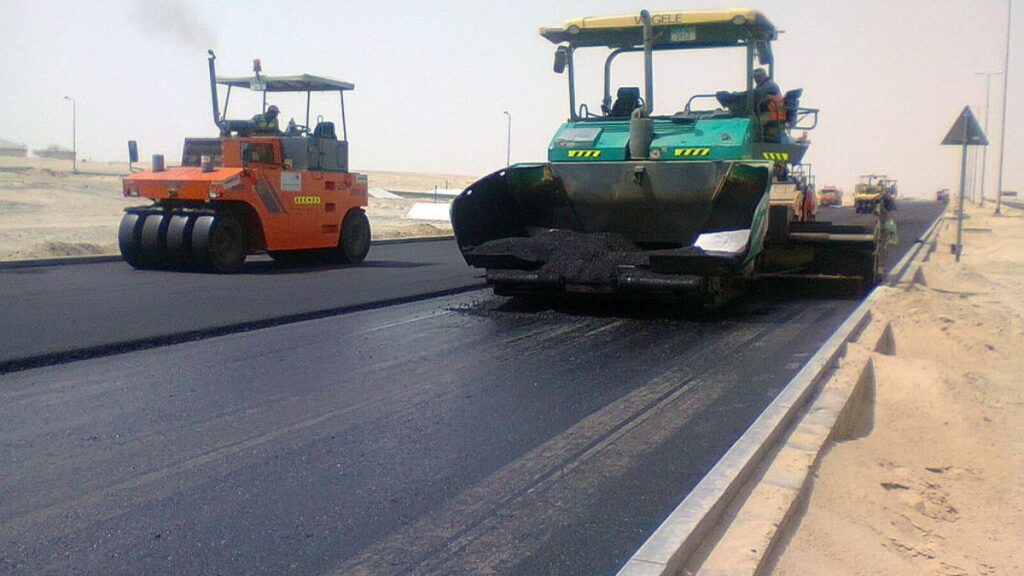
Transportation infrastructure is the essential backbone of the global economy, connecting distant cities, streamlining international supply chains, and facilitating the daily commutes of billions of people. For decades, the fundamental recipes for paving highways remained largely unchanged. However, the traditional methods of road construction are rapidly evolving to meet the complex demands of the 21st century. Today, modern road development is characterized by cutting-edge digital technology, highly sustainable environmental practices, and unprecedented safety measures.
For city planners, civil engineers, and everyday commuters alike, understanding these rapid advancements is absolutely crucial. By exploring these technological leaps, you will gain valuable insight into how our highways, bridges, and local streets are becoming exponentially smarter, greener, and more resilient. Here is an in-depth look at six remarkable innovations that are completely redefining modern road development across the globe.
1. Smart Roads and IoT Integration
Information technology has successfully merged with civil engineering to create what experts call “smart roads.” By embedding Internet of Things (IoT) sensors directly into the asphalt and concrete pavement, these intelligent highways can monitor real-time traffic flow, continuously measure structural integrity, and instantly detect hazardous weather conditions like black ice or pooling water. This data is rapidly transmitted to central traffic management systems, allowing for dynamic speed limit adjustments, automated tolling, and incredibly prompt emergency medical responses. According to various transportation studies, intelligent transportation systems can reduce traffic delays by up to 20 percent. As a practical tip, commuters should look out for corresponding smart highway mobile applications in their local areas to receive real-time updates and optimize their daily travel routes based on this live sensor data.
2. Self-Healing Concrete
Traditional concrete is highly prone to cracking due to extreme temperature fluctuations and the continuous pressure of heavy commercial loads, leading to costly and disruptive ongoing maintenance. Enter self-healing concrete, a revolutionary building material embedded with microscopic capsules of harmless bacteria and calcium lactate. When a crack eventually forms and rainwater seeps into the structure, the dormant bacteria activate, consume the calcium lactate, and produce a limestone byproduct that autonomously seals the fracture from the inside out. This incredible innovation can potentially double the lifespan of concrete infrastructure and significantly reduce municipal maintenance budgets over time. If you are involved in property development or planning a commercial build, researching and advocating for self-healing materials can yield tremendous long-term structural and financial benefits.
3. Precision Earthmoving and Foundational Technologies
Before a single layer of asphalt is poured or concrete is set, the raw ground must be perfectly prepared and stabilized. Modern earthmoving has been entirely transformed by the implementation of GPS-guided machinery, advanced 3D mapping software, and automated drone surveying. These technologies allow heavy equipment operators to grade land with millimeter accuracy, ensuring optimal water drainage and long-term structural stability. This level of extreme precision is especially vital in regions with highly challenging or uneven terrains. For example, modern excavation in Salt Lake City relies heavily on these advanced digital grading systems to safely navigate the unique geological conditions of the surrounding mountainous areas. By ensuring the foundational groundwork is utterly flawless, engineers can successfully prevent premature road failure and dangerous sinkholes.
4. Recycled Plastic Pavements
The mounting global plastic waste crisis has found a highly surprising and effective solution within the realm of road construction. Innovative engineering companies are now substituting a significant portion of the standard bitumen—the sticky black substance traditionally used to bind asphalt—with recycled plastic pellets. Not only does this divert millions of tons of harmful plastic waste from overflowing landfills and oceans, but it also creates a road surface that is exceptionally durable and far more resistant to the formation of potholes than conventional asphalt blends. Several major cities in Europe and North America have already initiated extensive pilot programs with incredibly promising results. For local community advocates and policymakers, incorporating plastic road mandates into future municipal construction contracts is a highly effective way to achieve ambitious regional sustainability goals.
5. Solar Roadways
Imagine if the millions of miles of paved surfaces across the globe could seamlessly double as renewable energy generators. Solar roadways utilize heavy-duty, custom-engineered glass panels equipped with internal photovoltaic cells to generate clean electricity. While still in the experimental phase in specific locations like France and the United States, these roads can theoretically capture enough solar radiation to power overhead streetlights, supply energy to nearby residential homes, and even wirelessly charge electric vehicles as they drive directly over them. Furthermore, these smart panels can be equipped with internal heating elements to melt dangerous snow and ice automatically during winter months. While widespread adoption is still a few years away, supporting renewable infrastructure pilot programs in your local community helps accelerate the viability of this essential green technology.
6. Photo-Luminescent Road Markings
Nighttime driving presents significant safety hazards to motorists, particularly in rural or undeveloped areas without adequate overhead street lighting. To effectively combat this danger, visionary civil engineers are deploying photo-luminescent road markings. These highly specialized glow-in-the-dark paint lines absorb ultraviolet light from the sun during the daylight hours and emit a clear, glowing light for up to eight hours throughout the night. This innovation naturally illuminates the path forward, effectively eliminating the need for expensive, energy-consuming overhead lights while drastically improving lane visibility for all drivers. Studies suggest that enhanced, highly visible road markings can reduce nighttime vehicular accidents by an impressive margin. When advocating for local neighborhood safety improvements, suggesting photo-luminescent paint for pedestrian crossings and sharp curves is a highly pragmatic step to protect your community.
The future of global transportation infrastructure is incredibly bright and full of potential. From autonomous self-healing materials to highly sustainable plastic pavements and precision GPS grading, these six vital innovations are rapidly paving the way toward a safer, more efficient, and deeply environmentally friendly world. As these technologies continue to mature and scale globally, the roads we travel every day will actively protect communities, generate clean power, and preserve the planet for future generations.