
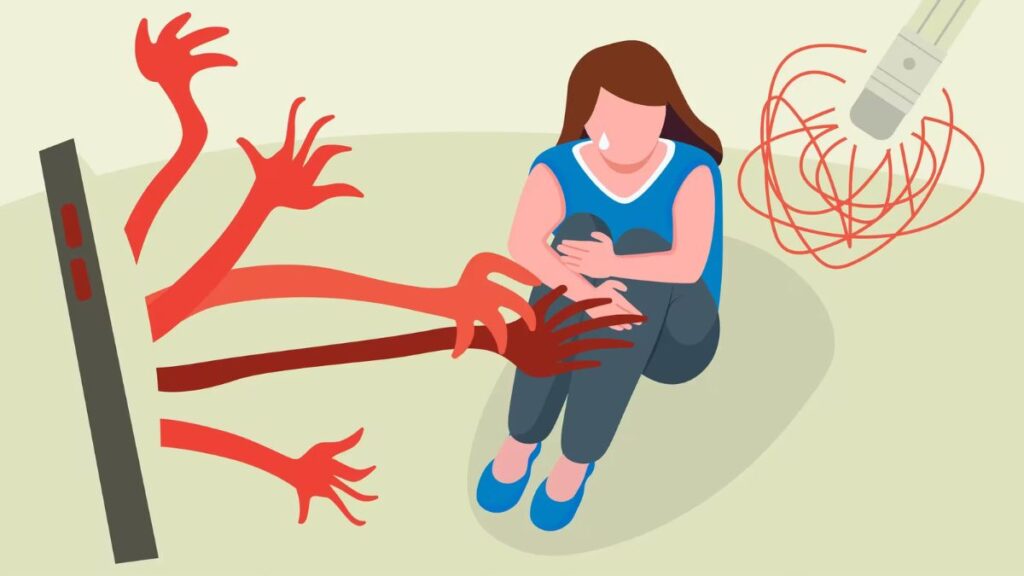
Trauma is a deeply personal experience, but understanding its causes can shed light on why some events leave lasting emotional scars while others don’t. Trauma doesn’t discriminate—it can affect anyone, regardless of age, background, or life circumstances. But what exactly causes trauma, and why do certain experiences have such profound effects on mental and emotional health?
The Roots of Trauma
At its core, trauma arises when an individual experiences an event or series of events that overwhelm their ability to cope. These events can be singular, such as a car accident or a natural disaster, or ongoing, like chronic emotional abuse or neglect. The key factor is not the event itself but how the brain and body process and internalize it.
Childhood Experiences
Many traumatic experiences have roots in childhood. Adverse Childhood Experiences (ACEs), such as physical, emotional, or sexual abuse, witnessing domestic violence, or growing up with parents struggling with substance abuse or mental health issues, can create long-lasting patterns of fear, anxiety, and distrust. Children’s brains are highly adaptable, yet highly sensitive. Early exposure to trauma can shape emotional responses and coping mechanisms for years to come.
Acute and Unexpected Events
Sudden, unexpected events—like a car crash, a natural disaster, or a violent attack—can trigger trauma in people of any age. These events often provoke a strong sense of helplessness and vulnerability. The unpredictability of the situation prevents the brain from processing it fully at the moment, leaving a residue of fear and hypervigilance that can manifest long after the event has passed.
Chronic Stress and Repeated Trauma
Not all trauma comes from a single event. Repeated exposure to stressful or harmful situations can be equally damaging. Living in an environment with ongoing domestic conflict, bullying, or chronic poverty can create complex trauma, where the cumulative stress affects mental, emotional, and even physical health over time. Unlike acute trauma, complex trauma often goes unrecognized because it becomes part of the everyday experience.
Trauma Can Be Emotional or Psychological
It’s important to note that trauma is not always tied to physical harm. Emotional neglect, verbal abuse, or betrayal can also be traumatic, sometimes more deeply than visible injuries. When someone experiences a breach of trust or a significant loss, the resulting trauma can disrupt relationships, affect self-esteem, and interfere with daily functioning.
How Trauma Manifests
The impact of trauma is varied. Some may experience flashbacks, nightmares, or severe anxiety. Others may struggle with depression, self-destructive behaviors, or difficulty maintaining relationships. Physiologically, trauma can manifest as headaches, digestive issues, or chronic pain. This shows how deeply trauma intertwines with both mind and body.
Pathways to Healing
Understanding what causes trauma is only the first step. Healing requires support, coping strategies, and often professional guidance. Trauma therapy can help individuals process their experiences in a safe environment, develop resilience, and rebuild their sense of safety and self-worth. For those seeking help locally, trauma therapy in South Jordan provides compassionate, evidence-based support tailored to each person’s unique experience.
Therapeutic approaches vary and may include cognitive-behavioral therapy (CBT), eye movement desensitization and reprocessing (EMDR), or somatic therapy, all designed to help individuals reframe their experiences and reduce the lingering impact of trauma. Support groups and community resources can also be invaluable for sharing experiences and fostering a sense of belonging and understanding.
Moving Forward
While trauma can leave a lasting mark, it is not a life sentence. With awareness, support, and professional guidance, individuals can transform their experiences into growth and resilience. Recognizing the sources of trauma, whether they stem from childhood, acute events, or ongoing stress, is crucial in the journey toward healing.
By addressing trauma head-on, seeking professional help, and building a supportive network, it’s possible to reclaim a sense of safety, confidence, and well-being. Trauma doesn’t define who we are—it shapes a chapter of our story, but it doesn’t have to dictate the rest.