
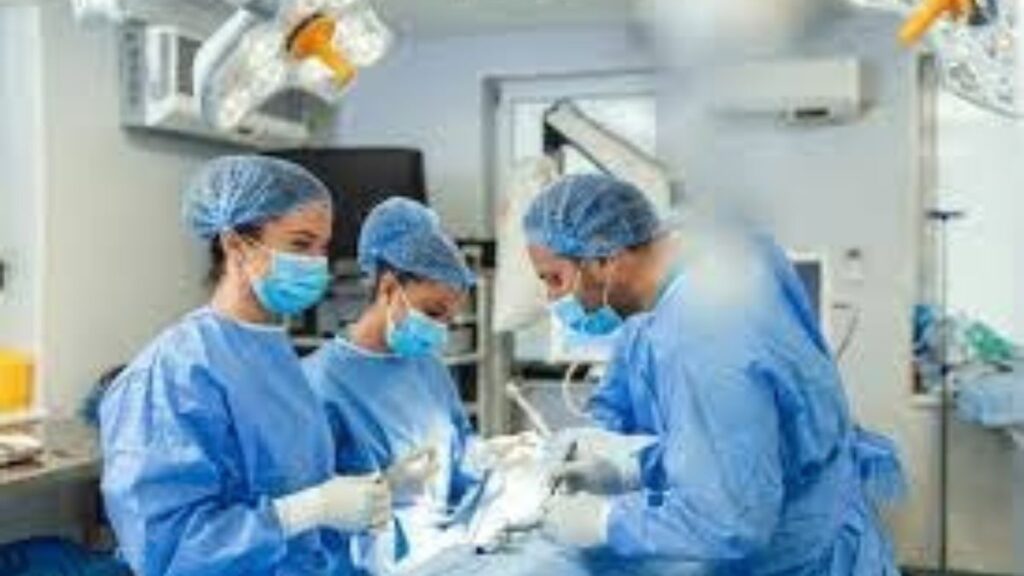
The operating room is intense in any specialty, but cardiovascular surgery takes precision and teamwork to another level. If you’re researching cardiovascular surgical tech, you’re likely interested in one of the most advanced environments a surgical technologist can work in, cases where sterility, speed, and anticipation matter because the patient’s life can change in seconds. This specialty also attracts career-changers, including those moving from medical assistant to surgical tech, because it offers a clear, high-skill track inside the OR with long-term growth potential.
If you want structured preparation for surgical technology, MedicalPrep can help you move from curiosity to capability. MedicalPrep is a surgical tech institute built around practical OR readiness, sterile technique, instrumentation, and workflow training, so you can develop the confidence required for high-stakes environments and pursue advanced specialties over time.
This article explains what cardiovascular surgical techs do, how cardiac OR teams function, the instruments and skills you’ll encounter, how to build a pathway into cardiovascular cases, and what to expect once you’re in a heart surgery environment.
What Is Cardiovascular Surgical Tech?
A cardiovascular surgical tech is a surgical technologist who supports procedures involving the heart and major blood vessels. In many facilities, the cardiovascular service line includes:
- Coronary artery bypass grafting (CABG)
- Valve repair or replacement
- Aortic procedures
- Thoracic cases (depending on facility structure)
- Hybrid procedures in cath lab/OR environments (facility-dependent)
While the scope of practice remains within surgical technology, the complexity increases: more specialized instrument sets, stricter team choreography, and greater emphasis on immediate response and sterile discipline.
Why Cardiovascular Surgery Is Different From General OR Work
When people hear “cardiac OR,” they often picture dramatic scenes. The reality is more structured and technical, but the stakes are real. Cardiovascular cases tend to differ from many other surgeries in several ways:
1) Team size and role clarity
Cardiac rooms often have a larger team: surgeon(s), anesthesia, circulator(s), scrub tech(s), perfusionist, and sometimes additional staff for complex cases. Everyone has defined responsibilities and communication patterns.
2) Specialized equipment and workflow
Depending on the facility and case type, the room may involve devices and setups that require careful coordination, including bypass-related workflows (where applicable).
3) High demand for anticipation
Cardiac cases move through phases. When a phase changes, the instruments and needs change rapidly. The tech’s ability to predict needs is a major performance differentiator.
4) Sterility and count discipline are non-negotiable
This is true in all surgeries, but cardiovascular service lines often carry a stronger culture of precision and process adherence.
What Cardiovascular Surgical Techs Do Before Surgery
The pre-op phase in cardiovascular rooms can be extensive because the setup is complex and instrument trays are specialized. A cardiovascular surgical tech typically supports or leads many of the following tasks, depending on staffing and policy:
- Reviewing the scheduled procedure and surgeon preference cards
- Verifying instrument sets and specialty trays
- Checking sterile packaging integrity and expiration dates
- Setting up the sterile field with high organization and clear zones
- Preparing suture, clips, and specialty supplies used in cardiovascular cases
- Coordinating with the circulator on counts and room readiness
- Assisting with draping prep and sterile accessory setup
The goal is not only “having the items,” but placing them in a layout that supports fast, safe access during time-sensitive steps.
What Cardiovascular Surgical Techs Do During Surgery
During the procedure, the cardiovascular surgical tech works, scrubbed in, and supports the sterile team continuously. The specific responsibilities vary by facility, surgeon preference, and the procedure type, but typically include:
Maintaining the sterile field
Sterile control is constant, and awareness must be continuous, especially with a larger team and more equipment movement.
Passing instruments and supplies with speed and precision
Cardiovascular cases include specialty instruments and specific suture needs. The tech must pass instruments safely, efficiently, and in a way that supports surgeon flow.
Anticipating the next phase
In heart surgery, a well-performing tech understands procedural phases and can prepare items before they are requested, without breaking sterility or cluttering the field.
Managing suture and supply readiness
Sutures, needles, and specialty supplies must be organized in a way that supports rapid access and correct selection. Small errors can create delays.
Supporting safe counts
Instrument, sponge, and sharp counts remain essential. Cardiac cases may involve multiple count points and strict documentation practices.
What Cardiovascular Surgical Techs Do After Surgery
Post-op responsibilities often emphasize safe wrap-up, accurate counts, and efficient turnover:
- Final counts with the circulating nurse
- Securing instruments and ensuring correct handling for reprocessing
- Breaking down sterile fields according to policy
- Managing sharp safety and biohazard disposal
- Restocking and preparing the room for the next case (if applicable)
- Identifying missing items, documenting issues, and supporting OR flow
Turnover efficiency matters, but cardiovascular rooms prioritize correctness and safety over rushing.
MedicalPrep can be a helpful step for students who want practical preparation with real OR expectations. MedicalPrep is a surgical tech institute that focuses on skills, discipline, and job-aligned readiness, so you are building the habits and competence that advanced teams want.
The Skills That Make a Strong Cardiovascular Surgical Tech
A cardiovascular service line does not reward “just showing up.” It rewards discipline, preparation, and steady performance. The most valuable skills include:
Advanced sterile technique awareness
With more equipment and staff, contamination risk increases. High performers maintain situational awareness and protect sterility proactively.
Instrument and tray familiarity
Cardiovascular trays are specialized. Learning names, functions, and surgeon preferences is critical.
Mental mapping of procedure phases
Techs who understand the procedural “rhythm” anticipate needs and reduce friction in the room.
Calm communication under pressure
Cardiac rooms can be intense. Calm, clear, professional communication is part of the job.
Operational reliability
This includes punctuality, readiness, and consistent performance. Cardiovascular teams value trust.
How to Get Into Cardiovascular Cases as a Surgical Tech
Many surgical techs do not start cardiovascular on day one. It is often an earned specialty track. A realistic pathway often looks like:
Step 1: Build a strong core OR fundamentals
Before cardiovascular, focus on mastering:
- Sterile technique
- Basic instrumentation
- Set up and turnover flow
- Counts and safety procedures
Step 2: Seek exposure to higher-complexity service lines
Ortho, neuro, vascular, or trauma exposure (facility-dependent) can build your speed and confidence in complex rooms.
Step 3: Cross-train into cardiovascular gradually
Many facilities cross-train techs by:
- Shadowing cardiac rooms
- Assisting with setup
- Learning instrument sets incrementally
- Working with preceptors
The shift from general cases to cardiovascular is less about “time served” and more about competence and consistency.
Mid-Article Career Question: Surgical Tech vs Surgical Assistant
As you research advanced specialties, you may also wonder: how long does it take to become a surgical assistant? The answer depends on what role your region and employers mean by “surgical assistant,” because the term can refer to different pathways, scopes, and credentialing requirements. In many settings, surgical technology is a direct route into the OR and a foundation for advanced exposure. Surgical assisting may require additional training and a different scope of practice than surgical technology, depending on where you work.
If your goal is to enter the OR and eventually support complex service lines like cardiovascular, starting with surgical technology often provides the strongest foundation.
Cardiovascular Surgical Tech Training: What to Learn and Why It Matters
A surgical tech program builds the foundation, but cardiovascular specialization typically requires additional learning. Key knowledge areas include:
- Cardiovascular-related anatomy basics (at the level needed to follow cases)
- Procedure phases and surgical workflow understanding
- Instrument sets and specialty supplies
- Surgeon preference patterns
- OR communication discipline and sterile confidence
This is where the quality of your initial training matters. If your program builds strong fundamentals, your progression into advanced specialties becomes easier and faster.
A Day in the Life: What Cardiovascular OR Work Feels Like
Cardiovascular schedules vary by facility, but the flow often includes:
- Pre-case preparation and detailed setup
- Multiple verification steps and safety checks
- High-focus teamwork during critical phases
- Structured communication and strict role adherence
- Post-case wrap-up, counts, and instrument handling
The work can be physically demanding (standing for long periods) and mentally demanding (continuous attention, anticipation, and sterile control). Many techs find it rewarding because the work feels meaningful and deeply team-driven.
Common Challenges New Cardiovascular Techs Face
Transitioning into cardiovascular rooms can feel like a steep learning curve. Common challenges include:
- Memorizing specialty instrument sets
- Learning surgeon-specific preferences
- Keeping the sterile field organized under complexity
- Staying calm during high-pressure moments
- Managing setup speed without sacrificing accuracy
The solution is usually structured repetition, good mentorship, and deliberate study of workflow. Teams typically respect techs who learn consistently and maintain a strong safety mindset.
Is Cardiovascular the Right Specialty for You?
You may thrive in cardiovascular surgery if you:
- Like structure, precision, and high standards
- Learn well through repetition and discipline
- Can stay calm when the pace intensifies
- Enjoy being part of a highly coordinated team
- Want long-term growth in complex OR environments
It may be less ideal if you strongly prefer low-intensity environments or dislike strict process discipline, because cardiovascular rooms are often process-heavy for good reasons.
Conclusion
Becoming a cardiovascular surgical tech is not about chasing a title; it’s about earning trust in one of the most demanding surgical environments. The role requires strong sterile technique, deep instrument familiarity, calm teamwork, and the ability to anticipate needs across complex procedure phases. Most techs reach cardiovascular through a progression: mastering fundamentals, building competence across service lines, then cross-training with mentorship and repetition.
If you want a structured foundation that supports long-term advancement, MedicalPrep can help you start strong. MedicalPrep is a surgical tech institute focused on practical OR readiness, building the discipline and skills that create real career momentum, especially if you want to pursue advanced specialties like cardiovascular surgery.